

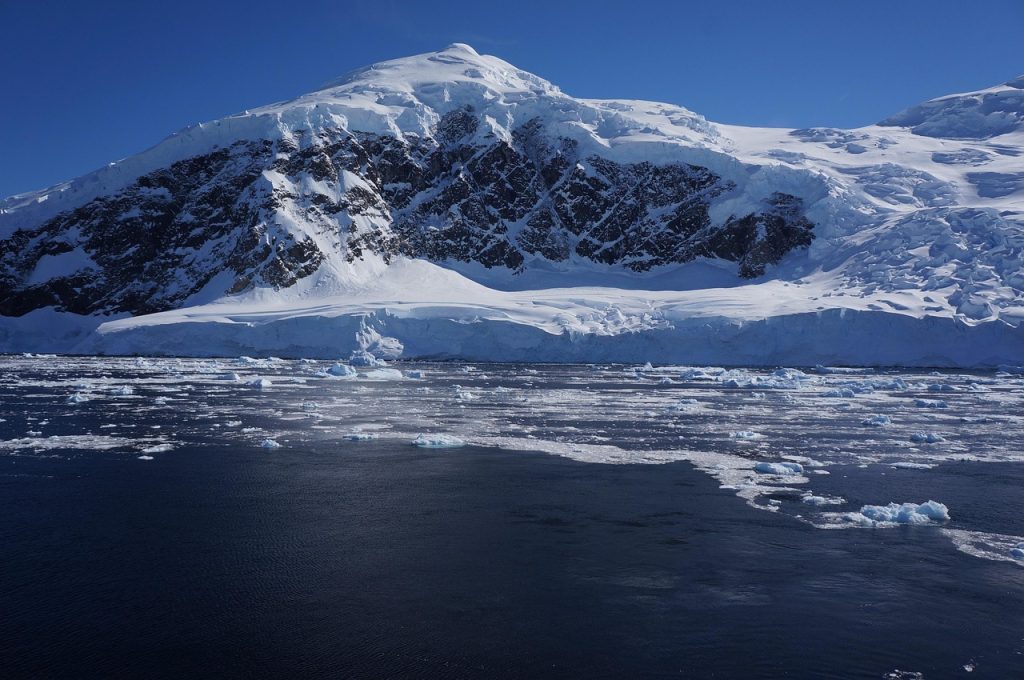
Discover Antarctica: Antarctica through Animal Eyes
PSY 358: Research in Psychology and/or CGS 170: Contemporary Global Studies
The “Human Impacts on a Fragile Environment” program is a hybrid study abroad experience that aims to provide students with a deep, interdisciplinary understanding of Antarctica. It combines a preparatory fall course led by various experts with an in-person, two-week field course in Antarctica. Through the curriculum, students explore the continent’s history and natural systems, analyze the effects of human activity and climate change, and participate in hands-on research projects, such as seabird observation and oceanography. The program also encourages collaboration between students and faculty from different universities.
On-campus Academic Portion 2027: August – December 2027
Abroad Portion: December 16th – December 28th, 2027
Program Information
Overview
Antarctica Through Animal Eyes is an immersive academic and research experience culminating in a 13-day expedition to Antarctica. Students will explore the remarkable diversity of Antarctic wildlife while considering how animals perceive and interact with a world very different from our own. Inspired by Ed Yong’s An Immense World, the program will encourage students to look beyond a human-centered view of the environment and consider the unique sensory worlds of penguins, seabirds, seals, whales, and other Antarctic animals. Through the curriculum, students explore the continent’s history and natural systems, analyze the effects of human activity and climate change, and participate in hands-on research projects.
Location
Ushuaia, Argentina; South Shetland Islands; Antarctic Peninsula
Course
PSY 358: Research in Psychology (3 hours) / Pre-Reqs: PSY 151 and PSY 211
And/Or
CGS: Discover Antarctica: Human Impact on a Fragile Environment (1 hour)
Research in Animal Behavior: Students will learn how scientists study animal behavior, with an emphasis on developing research questions and designing systematic observational studies. Throughout the fall semester, students will develop projects that, when feasible, will culminate in collecting observational data on Antarctic wildlife during the expedition.
CGS: Discover Antarctica: Human Impact on a Fragile Environment: This hybrid course, taught by experts in Antarctic studies, will introduce students to Antarctica as a unique and fragile environment and examine the ways human activity has shaped—and continues to affect—the continent and its ecosystems. The course will provide broader scientific, environmental, and human context for what students will encounter when the program departs for Antarctica on December 16.
Faculty
Melissa Maffeo
Teaching Professor
Email:
Dr. Maffeo is a Teaching Professor in the Psychology Department and the Associate Director of the Neuroscience Program. She specializes in innovative teaching of undergraduate students in psychology and neuroscience, and is the author of the book Science of the Supernatural: Critical Thinking for the Mind and Brain.
Accommodation
SH Minerva:
- Twin or Triple staterooms (includes TV, mini fridge, tea/coffee, towels, toiletries, air conditioning, and safe)
- 152 passengers / 117 staff
- 9 decks with 76 staterooms
- Observation lounge, stargazing deck
- Restaurant, club lounge, pool bar & grill
- Expedition laboratory, library, card room
- Sauna, jacuzzi, pool, gym, spad
Excursions
Excursions in Ushuaia (before boarding ship):
- Tierra del Fuego National Park
- Ushuaia guided city tour
Selection
- Good Academic Standing
- Interest in subject matter
- Open to all majors
Costs
Billed by Wake Forest:
Program Fee – $13,700
+
Estimated (will fluctuate per student):
Airfare (estimated) – $2,500
Personal Expenses (estimated) – $300
Estimated total cost – $16,500
Please note that there is limited scholarship awards for Fall short-term programs. Max award that may be awarded will be $500.
*Non-WFU students will also pay an additional WFU Tuition cost
Scholarships
Scholarships are available through the Center for Global Programs and Studies
However, please note that students will need to financially be able to support the cost of this trip prior to the help of any scholarships. Scholarship awards will not be determined until well after registration and deposit for the program. Please note that there is limited scholarship awards for Fall short-term programs. Max award that may be awarded will be $500.
Visa & Passport
Passport Information
Students need to check their passport’s expiration date and ensure that it will be valid for at least 1 year after the program’s end date.
US passport holders who need to renew their passport should visit the U.S. Department of State’s passport website for information on this process.
Non-US passport holders who need to renew their passport should refer to their home country’s passport office.
Visa Information
If you are a US citizen, you most likely will not require a visa for your short term abroad program. If you do, details will be shared with you by GPS. Non-US passport holders should check with their host country’s embassy or consulate to find out if a visa is required for their program or not.
Contact
Melissa Maffeo
Teaching Professor
Email:
Amanda Batten
Study Abroad Advisor
Center for Global Programs and Studies
(336) 758-3194
Program Dates
| Term | Application Deadline | Program Start | Program End |
|---|---|---|---|
| Fall Short-Term 2027 | December 31, 2026 | December 16, 2026 | December 28, 2026 |
Additional Details
| Destinations |
|
|---|---|
| Courses of Study |
|
| Terms |
|
| GPA Requirement | 2.5 |
| Class Status | 2 semesters completed |
| Language of Instruction | English |
| Open to non-WFU Students | Yes |
| Program Term | Short Term |